Swords and Dollars: The Commercial Forces Powering European Fencing's Rise
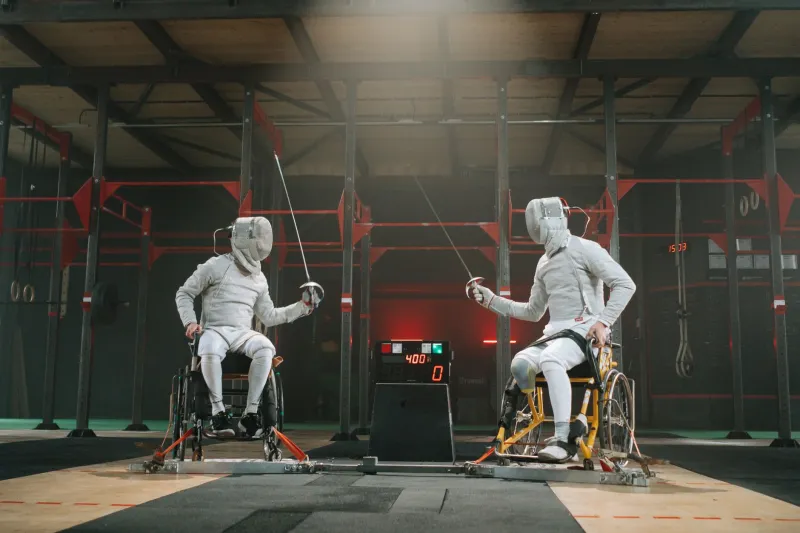
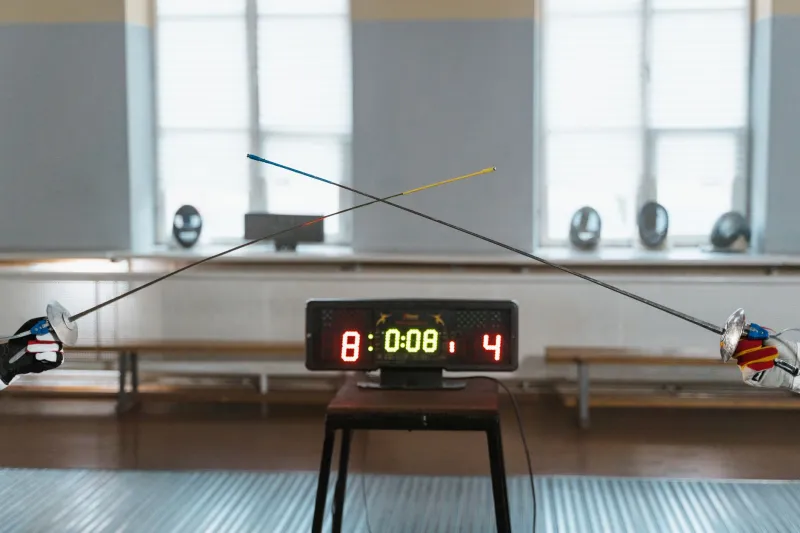
When spectators watch a bout at the 2018 European Fencing Championship, their attention naturally gravitates toward the athletes — the explosive lunges, the split-second parries, the electric scoreboard. What is far less visible, yet equally consequential, is the elaborate commercial architecture operating behind the scenes. Europe's premier fencing championship is not simply a competition; it is a functioning marketplace, one that has quietly professionalized a sport many Americans still regard as a niche pursuit.
For US fencing programs, coaches, and administrators looking to accelerate the sport's domestic growth, Novi Sad 2018 offers a master class in what organized commercial investment can accomplish.
The Sponsorship Landscape: More Than a Logo on a Jacket
European national fencing federations have spent decades cultivating relationships with corporate sponsors that extend well beyond simple logo placement. At the 2018 Championship, federation partnerships with financial institutions, telecommunications companies, and national tourism boards are structured as multi-year agreements with performance incentives, media deliverables, and community outreach components. These are not casual arrangements — they reflect a deliberate effort to position fencing as a premium brand association.
The contrast with the American sponsorship environment is instructive. US fencing, while growing, still relies heavily on individual club fundraising, parent booster contributions, and episodic corporate gifts tied to Olympic cycles. The European model treats sponsorship as an ongoing relationship rather than a transactional exchange, and the stability that results allows federations to plan athlete development programs across multi-year horizons rather than scrambling for resources season by season.
For American program directors watching the 2018 Championship, the lesson is structural: the federations generating the most competitive athletes are also the ones that have built the most durable commercial foundations.
Equipment Manufacturers: A Competition Within the Competition
Perhaps nowhere is the commercial intensity of European fencing more apparent than in the rivalry among equipment manufacturers. The 2018 Championship floor is, in effect, a live product showcase for brands including Allstar, Leon Paul, and Uhlmann, each of whom outfit significant portions of the competing field. The stakes are substantial. An athlete who reaches a major final while wearing a particular manufacturer's mask or jacket delivers marketing value that no advertisement can replicate.
This dynamic has produced genuine innovation. European manufacturers, competing aggressively for the endorsement of top-ranked athletes, have accelerated development cycles for protective gear, electronic scoring equipment, and blade materials. The result is a product ecosystem that is technically more advanced than what was available even five years ago — and that advancement flows directly from commercial competition.
American clubs are beginning to engage with this market more strategically. Several elite US programs have established preferred-supplier arrangements with European manufacturers, gaining access to equipment at favorable terms in exchange for visibility at domestic tournaments. It is a nascent version of the European model, and the 2018 Championship demonstrates how much further that approach can be developed.
Athlete Endorsements and the Professionalization of the Individual Competitor
The professionalization of European fencing is perhaps most visible at the individual athlete level. Several competitors at the 2018 Championship maintain personal endorsement portfolios that include equipment deals, apparel partnerships, and social media agreements with brands seeking access to the sport's engaged, educated audience demographic. These arrangements provide athletes with income streams that allow them to train full-time — a significant competitive advantage over counterparts who must balance elite athletic ambitions with conventional employment.
The economic model differs meaningfully by country. French and Italian fencing programs, backed by robust national sports infrastructure, have historically been most effective at converting athletic success into commercial opportunity. Eastern European nations, while producing exceptional competitors, have operated with leaner commercial frameworks — though that gap is narrowing as the sport's visibility grows through digital media.
For American athletes, the pathway to personal sponsorship has traditionally been narrow, opening meaningfully only in Olympic years. The 2018 Championship suggests an alternative model: consistent high-level performance at international championships, combined with a deliberate personal brand strategy, can attract commercial interest independent of the four-year Olympic calendar.
Broadcasting and Digital Revenue: The Emerging Frontier
Broadcasting has historically been the weakest link in fencing's commercial chain, and the 2018 Championship reflects both the progress made and the distance yet to travel. Live streaming of competition bouts has expanded dramatically, with the FIE and national federations investing in production quality that makes the sport accessible to international audiences. Viewership data from previous championships indicates that US audiences represent a meaningful share of digital consumption — a fact that European commercial partners are beginning to incorporate into their sponsorship valuations.
This is significant for the American market. As US viewership of European fencing events grows, it creates a feedback loop: higher American audiences attract sponsors interested in transatlantic reach, which funds better production, which attracts more viewers. Several American fencing organizations have recognized this dynamic and are actively cultivating media partnerships that position them as the domestic gateway to European championship content.
What American Programs Can Take Home
The commercial infrastructure on display at the 2018 European Fencing Championship did not emerge overnight. It is the product of decades of deliberate federation strategy, patient sponsor cultivation, and a willingness to treat the sport as a professional enterprise worthy of serious investment. The competitive results — European nations consistently dominating global rankings — are inseparable from that commercial foundation.
US fencing stands at an inflection point. The sport's participation base is growing, its Olympic profile is rising, and its demographic appeal to sponsors — educated, affluent, internationally minded — is genuinely strong. What has been missing is the organizational will to build commercial relationships with the same rigor applied to athletic development.
The 2018 Championship in Novi Sad makes the opportunity unmistakably clear. The business of elite fencing is real, it is substantial, and for American programs prepared to pursue it with the same discipline their athletes bring to the piste, the rewards are well within reach.