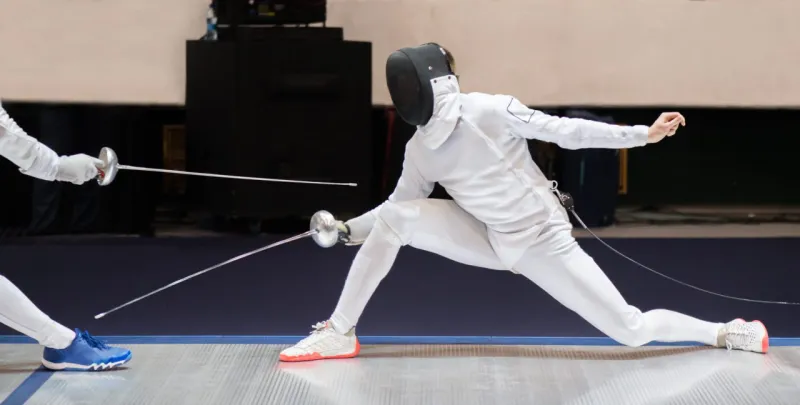
One Coach, One Fencer, One Decade: The Mentorship Model Powering European Fencing's Elite
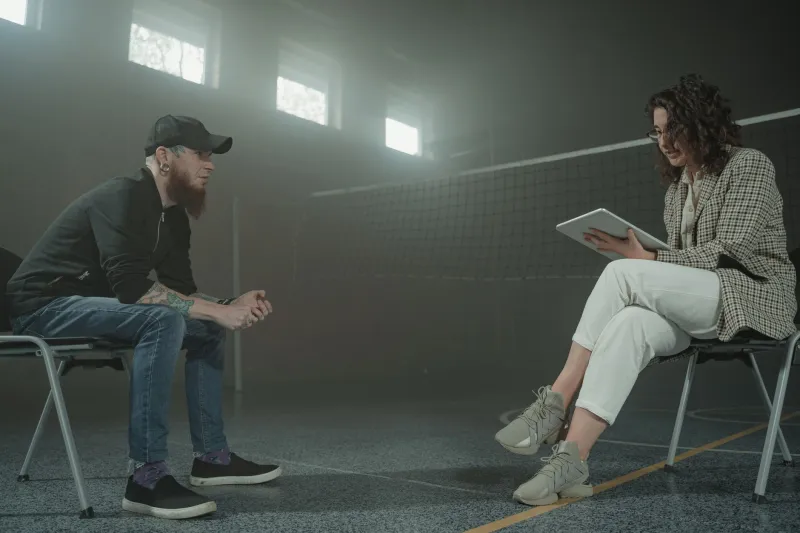
When observers from the American fencing community arrived at the 2018 European Fencing Championship, many expected to study footwork, analyze tactical patterns, and benchmark athletic conditioning. What they did not anticipate was a lesson in relationships — specifically, the quiet, decades-long bonds between European coaches and their athletes that appeared to underpin nearly every performance on the strip.
This is the boutique coach effect: a model of individualized, sustained mentorship that contrasts sharply with the rotational, club-wide instruction common in American fencing programs. Understanding it may be the most consequential takeaway any US fencing director can carry home from this championship.
A Different Kind of Club Culture
In most American fencing clubs, a head coach oversees a broad roster of fencers across multiple age groups and weapon disciplines. Instruction is delivered in group formats, supplemented by occasional private lessons, and the relationship between athlete and coach is frequently interrupted by graduation cycles, scholarship transfers, and seasonal transitions. The structure is efficient, scalable, and fundamentally transactional.
European club culture — particularly in nations like France, Italy, Hungary, and Russia — operates on an entirely different premise. At many of the clubs represented at the 2018 Championship, a single coach maintains an intimate portfolio of four to eight athletes, often following those fencers from junior development through senior elite competition. The relationship is not merely instructional; it is deeply collaborative, philosophically aligned, and remarkably durable.
Consider the partnership between a decorated Hungarian sabre coach and his two senior athletes who reached the medal rounds in Novi Sad. Both fencers had trained under the same coach for over eleven years. Their tactical vocabularies, physical conditioning philosophies, and competitive temperaments had been shaped by a single consistent voice. The result was not uniformity — the two athletes fenced with distinctly different styles — but rather a shared depth of self-awareness that allowed each to perform under pressure with unusual composure.
The Apprentice Model in Practice
The European mentorship model draws, consciously or not, from the classical apprentice tradition. A young fencer is paired with a senior coach not merely to learn technique but to absorb an entire competitive philosophy. The coach observes the athlete across years, accumulating a nuanced understanding of their psychological tendencies, physical limitations, and motivational patterns that no assessment tool can replicate.
At the 2018 Championship, this dynamic was visible in how coaches and athletes communicated during bouts. Rather than delivering rapid tactical instructions between touches, many European coaches offered minimal verbal intervention — a word, a glance, a deliberate pause. The athlete, conditioned by years of shared language, interpreted these cues with precision. It was communication compressed by familiarity.
This stands in contrast to the more directive coaching style common in American club settings, where coaches often feel compelled to fill every pause with instruction. The European approach suggests that a well-mentored athlete should arrive at competition already equipped with the analytical tools to self-correct. The coach's role in the moment is less to instruct than to anchor.
What American Clubs Are Missing
The structural barriers to replicating this model in the United States are real. American fencing operates within a collegiate pipeline that creates natural disruptions in coach-athlete continuity. A promising junior fencer in Ohio may train with one club coach through high school, accept an NCAA scholarship to a program in California, and spend four years under an entirely different coaching philosophy before joining a post-collegiate club with yet another staff. Each transition resets the relational clock.
Additionally, the economic realities of American club operations — where coaches frequently supplement income through group instruction and private lesson fees — make it difficult to sustain the kind of small, dedicated cohort that defines the European boutique model.
That said, several American clubs have begun experimenting with hybrid approaches. Some have introduced designated "development coaches" who follow a small group of junior athletes through multi-year cycles, insulated from the club's broader instructional responsibilities. Others have formalized mentorship agreements between senior club members and emerging juniors, creating institutional continuity even when the primary coaching staff changes.
A Framework for Implementation
For American fencing directors willing to restructure their developmental programs, the 2018 European Championship offers a practical blueprint. The following framework draws directly from observed coaching partnerships at the event:
Assign early, commit long. Pair junior fencers with a designated developmental coach no later than age thirteen, and maintain that pairing through at least the first year of senior competition. Resist the institutional pressure to reassign athletes based on short-term performance metrics.
Reduce cohort size. A coach managing twelve developing athletes cannot replicate the attentiveness of a coach managing five. Consider restructuring staffing to allow senior coaches to carry smaller, more intensively mentored groups, even if this requires redistributing group instruction to assistant staff.
Invest in coach retention. The boutique model collapses if the coach departs. American clubs must treat experienced developmental coaches as institutional assets and compensate them accordingly, rather than relying on volunteer or part-time arrangements that create chronic turnover.
Document the relationship. European coaching partnerships often involve detailed logbooks tracking an athlete's physical and psychological development across years. Implementing similar documentation practices creates continuity even if a coaching transition becomes unavoidable.
The Competitive Dividend
The argument for adopting this model is not sentimental — it is competitive. The athletes who reached the podium at the 2018 European Fencing Championship were not simply better conditioned or more technically refined than their peers. They were, in many observable respects, more deeply known by the people responsible for their development.
For American fencing to close the gap with Europe's institutional advantages, it must look beyond equipment, facilities, and training volume. The edge that matters most at the elite level is relational — and it is built over years, not months. The 2018 Championship made that case more clearly than any tactical analysis could.